 Skip to content
Yoga is a powerful practice that has been used for centuries to achieve physical, mental, and spiritual well-being. It combines various postures, breathing techniques, and meditation to bring harmony to the mind and body. In today’s fast-paced world, finding a sense of balance and connection within ourselves has become increasingly important. In this article, we will explore how to find the perfect mind-body connection through the practice of yoga.
Table of content
what is the Mind-Body Connection
The Benefits of Establishing a Strong Mind-Body Connection
Getting Started with Yoga
Practicing Asanas: Postures for Mind-Body Balance
Breathing Techniques for Enhancing the Mind-Body Connection
Incorporating Meditation into Your Yoga Practice
Cultivating Mindfulness in Everyday Life
Yoga and Stress Reduction
Yoga for Emotional Well-being
Nurturing Self-Acceptance and Self-Love through Yoga
The Role of Nutrition in Supporting Mind-Body Connection
Maintaining Consistency in Your Yoga Practice
Overcoming Challenges and Plateaus
Expanding Your Yoga Practice: Exploring Different Styles
Taking Your Mind-Body Connection Beyond the Mat
what is Mind-Body Connection
It’s the relationship between our mental and physical state, which can be referred to as the mind-body connection. It is well said that the mind-body connection acknowledges that both our mental and physical health can be greatly impacted by our feelings, thoughts, and beliefs. Yoga is a holistic practice that helps bridge this connection by bringing awareness to the present moment and fostering a deep sense of unity between the mind and body.

The Benefits of Establishing a Strong Mind-Body Connection
Establishing a strong mind-body connection through yoga offers numerous benefits. It can strengthen immunity, reduce stress, increase flexibility, and promote emotional well-being in addition to general physical and mental health. We feel more balanced, satisfied, and energetic when the mind and body are working together.
Getting Started with Yoga
Starting with the fundamentals is crucial if you want to find the ideal mind-body connection. Find a quiet and comfortable space where you can practice yoga without distractions. Invest in a good-quality yoga mat and wear comfortable clothing that allows for ease of movement. Consider seeking guidance from a qualified yoga teacher or attending beginner-friendly classes to learn proper alignment and techniques.

Practicing Asanas: Postures for Mind-Body Balance
Asanas, or yoga postures, are a fundamental aspect of yoga practice. They help improve strength, flexibility, and balance while also promoting mental focus and concentration. Some asanas that specifically target the mind-body connection include Mountain Pose (Tadasana), Tree Pose (Vrikshasana), Warrior Pose (Virabhadrasana), and Child’s Pose (Balasana). Incorporate these postures into your practice to cultivate a deeper sense of connection within yourself.
Breathing Techniques for Enhancing the Mind-Body Connection
Conscious breathing plays a vital role in yoga. Breathing techniques well known as pranayama can be used to control breath, relax the mind, and energize the body. The “Three-Part Breath” (Dirga Pranayama), which involves taking a deep breath into your abdomen, opening your ribcage, and then filling your chest with air, is a useful method. Practicing pranayama regularly enhances the mind-body connection by promoting relaxation and reducing stress.
Incorporating Meditation into Your Yoga Practice
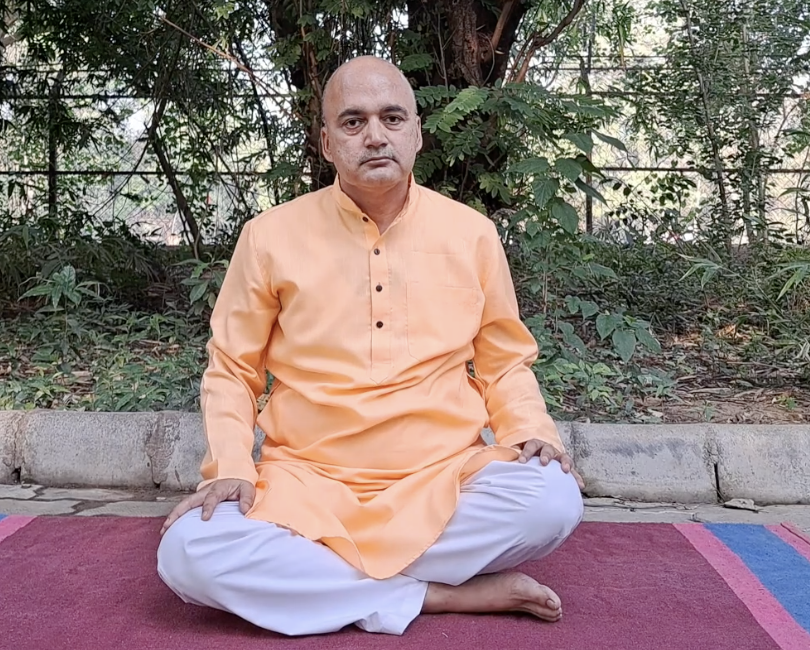
By quieting the mind and focusing inward, meditation cultivates a heightened sense of self-awareness and presence. Incorporate meditation into your yoga practice by setting aside a few minutes each day to sit in stillness and observe your thoughts without judgment. Over time, this practice will help you develop a profound connection with your inner self.
Cultivating Mindfulness in Everyday Life
Mindfulness involves being fully present and engaged in the current moment. It enables us to be aware of our ideas, feelings, and physical sensations without passing judgment. To cultivate mindfulness in your everyday life, bring the principles of yoga off the mat and into your daily activities. Pay attention to your breath, savor each bite of food, and engage in activities with focused attention. The mind-body link is strengthened by mindfulness, which also enhances general well-being.
Yoga and Stress Reduction
Stress has become a prevalent issue in modern society, affecting our mental and physical health. Yoga offers a natural and effective way to manage stress. Yoga triggers the relaxation response in the body by utilizing asanas, breathing techniques, and meditation, which lowers stress hormones and fosters a calmer state of mind. Regular yoga practice can help you better navigate the challenges of daily life with grace and resilience.
Yoga for Emotional Well-being
The relationship between your mind, body, and emotional well-being is complicated. Yoga provides a safe and supportive space to explore and release stored emotions, allowing for emotional healing and balance. Certain yoga poses, such as Camel Pose (Ustrasana) and Bridge Pose (Setu Bandhasana), can help open the heart center and promote emotional well-being. You can improve your emotional intelligence and sense of inner peace by incorporating yoga into your life.
Nurturing Self-Acceptance and Self-Love through Yoga
Yoga can cultivate a non-judgmental mindset toward oneself, which will promote self-acceptance and self-love. Yoga teaches you to respect and accept the powers and limitations of your body. Thinking this way will go beyond the body and enables self-care and self-compassion. Accepting yoga as a tool will develop a loving and healthy relationship with oneself.
The Role of Nutrition in Supporting Mind-Body Connection
Nutrition plays a vital role in supporting the mind-body connection. For optimum physical and mental performance, you need a balanced diet full of whole foods, fruits, vegetables, and lean meats is a must..Additionally, mindful eating techniques, which can be taking your time with each bite and paying attention to your body’s signals of hunger and fullness, strengthen the bond between your mind and body. To improve your general well-being, give eating wholesome foods to your body a high priority.

Maintaining Consistency in Your Yoga Practice
To experience the advantages of yoga and forge a solid mind-body connection, consistency is essential. Make practicing a regular part of your routine and allot specific time for it. Even if you can only spare a few minutes each day, consistent practice will yield significant results over time. Remember that the journey of yoga is a lifelong one, and progress happens gradually.
Overcoming Challenges and Plateaus
Throughout your yoga journey, you may encounter challenges and experience plateaus. It’s important to face these situations with tolerance, tenacity, and self-compassion. Recognize that development occurs both on and off the mat and that every encounter presents a chance for personal progress. Seek guidance from experienced practitioners or teachers, explore different styles of yoga, and listen to your body’s needs to overcome obstacles and continue growing.
Expanding Your Yoga Practice: Exploring Different Styles
Yoga offers a diverse range of styles, each with its unique benefits and focus. As you gain confidence in your practice, think about broadening your horizons by trying out various yoga forms. Whether it’s the dynamic flow of Vinyasa, the precise alignment of Iyengar, or the introspective nature of Yin yoga, trying new styles can deepen your understanding of the mind-body connection and keep your practice fresh and exciting.

Taking Your Mind-Body Connection Beyond the Mat
While yoga is primarily practiced on the mat, its principles are integrated into every aspect of life. When interacting with others you need to Adopt a mindful, accepting, and self-care approach, at work as well as in your daily activities. Find moments throughout the day to reconnect with your breath, ground yourself in the present moment, and nurture your mind-body connection. Remember that yoga is not limited to physical practice but rather a holistic approach to living.
Conclusion
Finding the perfect mind-body connection through yoga is a transformative journey that offers numerous benefits. You know what! It’s easier than you think to develop a sense of balance, well-being, and self-awareness to your life, by just adding yoga poses, breathing exercises, meditation, and mindfulness.
Acharya Yogesh Sharma
Frequently Asked Questions
Can I practice yoga if I’m not flexible?
Absolutely! Yoga is accessible to individuals of all fitness levels and body types. It is a practice that helps improve flexibility over time. Start with beginner-friendly classes and listen to your body’s limits. With regular practice, you will gradually increase your flexibility.
How often should I practice yoga to experience the benefits?
We, humans, lack focus a lot. Start by practicing yoga at least 2-3 times a week to experience the benefits of mind-body Connection. However, even a few minutes of daily practice can make a difference. Find a routine that works for you and try forming a good Habit.
Is yoga suitable for all ages?
Yes, certainly yoga is suitable for people of all ages. But You should be particular about the correct posture and what suits you. Not everybody can or is required to do every yoga pose possible. At Gautam Yoga, specialized classes are available for children, teenagers, adults, and seniors. Always choose classes that cater to your age group and level of experience.
Can yoga help with anxiety and depression?
Yes, yoga has been proven in helping people manage anxiety and depression. There can be a combination of physical movement, breathwork, Meditation, and mindfulness helps reduce stress levels, improve mood, and promote overall well-being. You can read more about it here. Otherwise, you can seek help with our YOGA ALLIANCE USA-certified Acharya YOGESH Sharma.
Can I practice yoga at home without a teacher?
While it is beneficial to learn from a qualified yoga teacher, you can practice yoga at home using online resources and instructional videos. Pay attention to proper alignment, listen to your body, and start with beginner-friendly sequences.

Pingback: The Ultimate Guide to Restorative Yoga Poses for Mind and Body Wellness
Pingback: 6 Beginner Yoga Pose for Stress and Anxiety Relief | Do it!